
Introduction to Tree Supports in 3D Printing
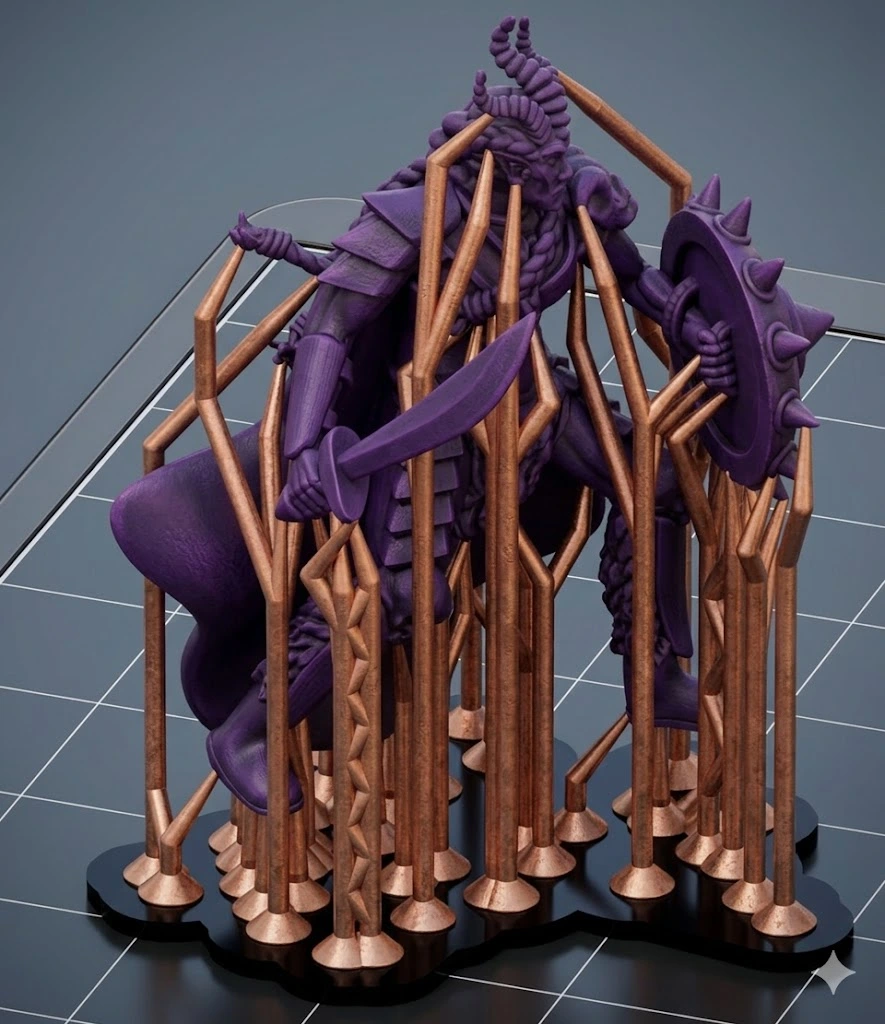
Tree supports are an advanced support structure used in 3D printing to handle overhangs more efficiently. Unlike traditional supports, they grow like branches and connect to the model at fewer points. This reduces surface damage, improves print quality, and makes support removal much easier.
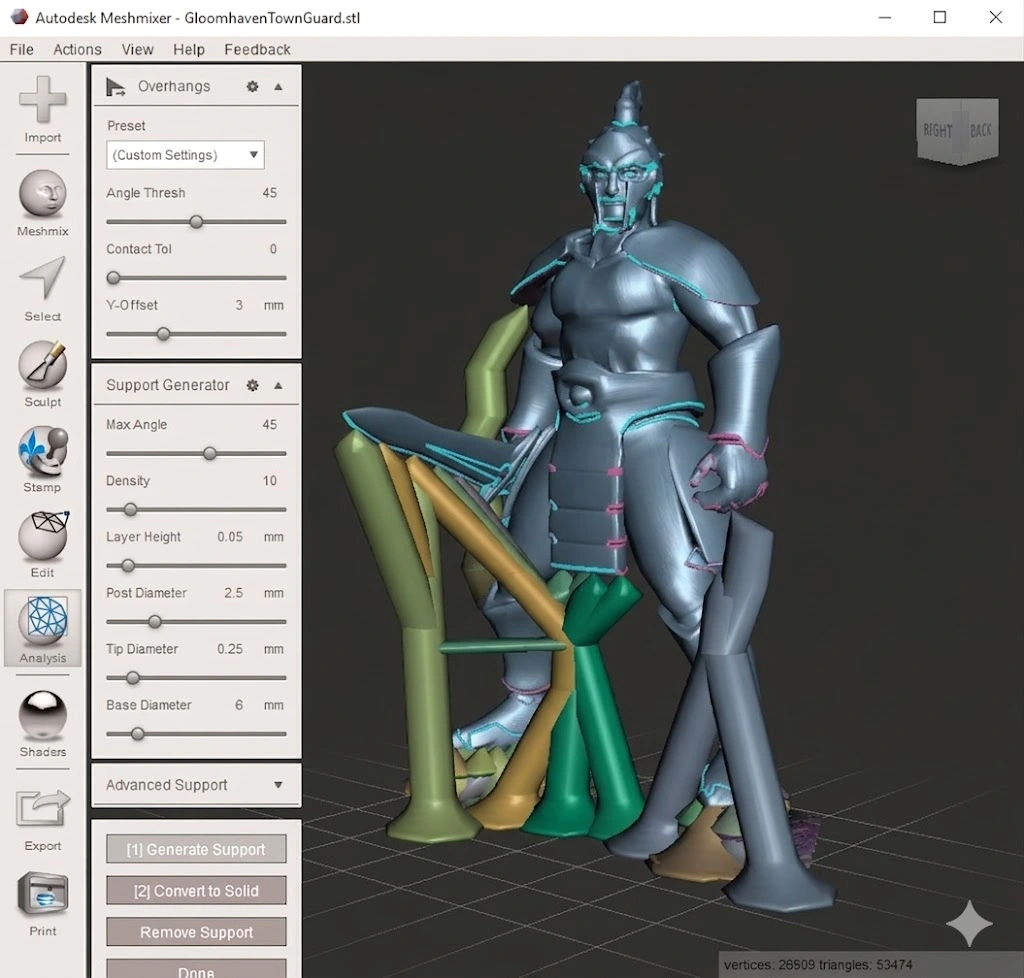
They are especially useful in resin printing and complex geometries, where precision and clean finishes are important. By using less material and minimizing contact areas, tree supports also improve printing efficiency and reduce post-processing time.For even better results in resin printing, combining supports with proper hollowing resin prints in Meshmixer helps reduce suction forces, improve drainage, and prevent common print failures.
Comprehensive Overview of Meshmixer Tree Supports
Meshmixer is widely known for its highly detailed and customizable tree support system. It gives users full control over support placement, making it ideal for models that require precision.
Core Benefits of Meshmixer Tree Supports
Meshmixer allows you to manually control every aspect of support generation. This level of precision helps protect fine details and reduces the risk of surface damage. The supports are thin and lightweight, which lowers material usage and makes removal easier.
Key advantages include:
- Precise manual placement of supports
- Lightweight and efficient structures
- Minimal surface marks after removal
Ideal Scenarios for Meshmixer
Meshmixer works best for models where detail is critical. It is commonly used for resin miniatures, jewelry designs, and complex organic shapes. From practical experience, it is the best choice when automatic supports fail to handle delicate areas properly.
Extensive Analysis of PrusaSlicer Tree Supports
PrusaSlicer is designed to balance ease of use with powerful automation. It is suitable for both beginners and experienced users.
Major Advantages of PrusaSlicer Tree Supports
PrusaSlicer uses smart algorithms to generate supports automatically. This reduces the need for manual adjustments and speeds up the workflow. It also ensures consistent results, which is important for repeated prints.
Key benefits include:
- Easy and beginner-friendly interface
- Automatic support generation
- Reliable and consistent performance
Recommended Uses for PrusaSlicer
PrusaSlicer is ideal for FDM printing, large models, and batch production. It is widely used in environments where speed, consistency, and reliability are more important than detailed customization.
Detailed Exploration of Lychee Tree Supports
Lychee Slicer has become a leading choice for resin printing due to its specialized support system.
Principal Benefits of Lychee Tree Supports
Lychee provides advanced control over support settings while still keeping the workflow simple. Users can adjust contact points, branch thickness, and support density to achieve better results. This leads to cleaner prints and fewer surface imperfections.
Key strengths include:
- Optimized for resin printing
- Advanced control over support structure
- Clean surface finish with minimal marks
Optimal Use Cases for Lychee
Lychee is best suited for high-detail resin prints such as figurines, dental models, and professional designs. It is commonly used when precision and surface quality are the top priorities.
Detailed Comparative Analysis: Meshmixer vs PrusaSlicer vs Lychee
Ease of Use and Learning Curve
Meshmixer offers advanced control but requires more time to learn. PrusaSlicer is very easy to use and ideal for beginners. Lychee provides a balanced experience, especially for users familiar with resin printing.
Level of Customization
Meshmixer provides the highest level of customization with full manual control. PrusaSlicer offers a mix of automation and limited manual adjustments. Lychee focuses on resin-specific customization with strong flexibility.
Print Quality and Resource Efficiency
Meshmixer delivers excellent results for detailed models while using minimal material. PrusaSlicer ensures consistent quality across different prints. Lychee stands out for resin printing, offering high precision and efficient material usage.
Choosing the Right Tool: Real-World Scenarios
Selecting the right software depends on your specific needs and project type.
- For detailed resin miniatures, Meshmixer is the best choice because of its precision and control.
- For large functional parts, PrusaSlicer works better due to its automation and consistency.
- For high-detail resin models, Lychee is ideal because of its optimized support system.
From real-world experience, switching between tools based on the project often gives better results than relying on just one.
Advanced Techniques for Effective Tree Support Usage
To get the best results, proper setup is important. Model orientation plays a key role in reducing support requirements and improving print quality. Adjusting contact points helps reduce marks while maintaining stability. Testing different branch angles and support thickness can also improve results.
Troubleshooting Common Tree Support Issues
Difficult Support Removal
This happens when supports are too thick or dense. Reducing support size and density makes removal easier and prevents damage.
Poor Surface Finish
Incorrect support placement can leave visible marks. Adjusting contact points and improving orientation helps reduce these issues.
Print Failures from Weak Supports
If supports are too weak, prints may fail during the process. Increasing support strength slightly can improve stability.
Essential Best Practices for Tree Supports
For consistent results, always keep your software updated to benefit from improvements. Choose the right tool based on your model and printing method. Running small test prints before full production helps avoid failures. The key is to balance support strength with ease of removal.
Conclusion
Tree supports have significantly improved the way complex models are printed in 3D printing. Tools like Meshmixer, PrusaSlicer, and Lychee Slicer each offer unique advantages. Meshmixer provides full control for detailed prints, PrusaSlicer offers simplicity and reliability, and Lychee delivers excellent results for resin printing. By understanding their differences and using them based on your needs, you can improve print quality, reduce failures, and create more efficient workflows. If you’re just getting started, you can download Meshmixer for 3D printing to begin optimizing your prints right away.
Frequently Asked Questions (FAQs)
What are tree supports in 3D printing?
Tree supports are branching support structures used to hold overhangs during printing. They touch the model at fewer points, which helps reduce surface marks and makes removal easier compared to traditional supports.
Which software is best for tree supports?
The best software depends on your needs. Meshmixer is ideal for precise control, PrusaSlicer is best for ease of use, and Lychee Slicer works best for resin printing.
Are tree supports better than normal supports?
Yes, in most cases tree supports are better. They use less material, are easier to remove, and leave fewer marks on the printed model.
Do tree supports reduce print failures?
Tree supports can reduce print failures by improving stability and lowering stress on overhangs. Proper placement and orientation are still important for best results.
Which tool is best for beginners?
PrusaSlicer is the easiest option for beginners because it generates supports automatically and requires less manual setup.
Is Meshmixer good for resin printing supports?
Yes, Meshmixer is widely used for resin printing. It offers detailed control over support placement, which is useful for complex and delicate models.
Why are tree supports important in resin printing?
Tree supports help reduce suction forces, improve surface quality, and make post-processing easier. They are especially useful for detailed resin prints where clean finishes matter.
Can I use the same support settings for every model?
No, support settings should be adjusted based on the model’s size, shape, and printing method. Testing different settings helps achieve better results.